The Big Rice Burn
The Good:
Pai’s scenery is defined by openness. During the green season, Pai’s rice fields spread across the valley floor like a vast quilt of emerald tones; many call them the most beautiful rice fields in all of Thailand.
The Bad:
But it doesn’t take long before you start to hear of the unbearable air pollution when farmers burn their rice, maize and sugarcane fields. The peak seems to be March, which is why I’ll be heading south and out of harm’s way by then.
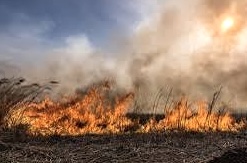
The online Chiang Mai expat groups are all abuzz about this. Great debates and advice about heading south, often to the beaches, or to stay put, HEPA filters, keeping windows closed, staying inside. Obviously, many Thai people don’t have much choice. The solutions seem evasive. Clearly, they are underfunded.
“Lower respiratory tract infections are the third highest cause of death in Thailand, which increased by 77.1% in the ten years between 2009 and 2019.”
An article titled Poverty and Pollution in Northern Thailand states: "Open burning has been illegal in Thailand since 2020; however, the practice has only been growing. Despite making it illegal, the government has not provided farmers with any support or access to resources and services to change their practice.
Manual stalk cutting and collecting leaves is very time-consuming and costly, and there is little access to machinery.
Poverty is an underlying factor that traps farmers in this cycle. Many farmers owe debts to large agricultural businesses and, exacerbated by COVID-19 and the falling price of produce, it’s not currently feasible to clear crops any other way.”
Suffice to say, it's a drag, and I want no part of it.
Pai’s scenery is defined by openness. During the green season, Pai’s rice fields spread across the valley floor like a vast quilt of emerald tones; many call them the most beautiful rice fields in all of Thailand.
The Bad:
But it doesn’t take long before you start to hear of the unbearable air pollution when farmers burn their rice, maize and sugarcane fields. The peak seems to be March, which is why I’ll be heading south and out of harm’s way by then.
“Lower respiratory tract infections are the third highest cause of death in Thailand, which increased by 77.1% in the ten years between 2009 and 2019.”
An article titled Poverty and Pollution in Northern Thailand states: "Open burning has been illegal in Thailand since 2020; however, the practice has only been growing. Despite making it illegal, the government has not provided farmers with any support or access to resources and services to change their practice.
Manual stalk cutting and collecting leaves is very time-consuming and costly, and there is little access to machinery.
Poverty is an underlying factor that traps farmers in this cycle. Many farmers owe debts to large agricultural businesses and, exacerbated by COVID-19 and the falling price of produce, it’s not currently feasible to clear crops any other way.”
Suffice to say, it's a drag, and I want no part of it.

